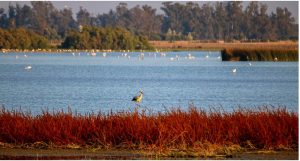



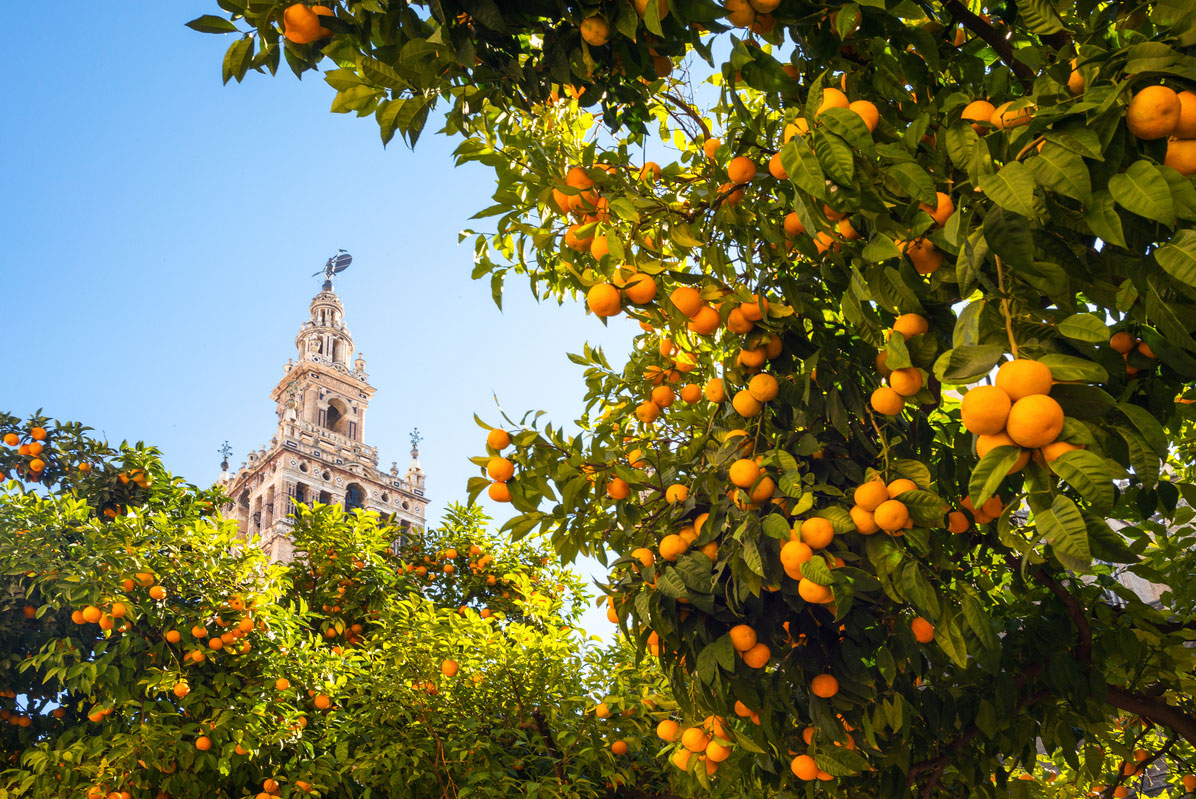
Arrival in Seville – Upon arrival in Seville, guests will check in at their assigned hotel and have the day to enjoy their first introduction to this vibrant and historic city. Before venturing out, they will receive detailed information about the city’s most iconic landmarks, including its stunning plazas, grand cathedrals, and charming historic neighborhoods.
This initial day is designed to allow guests to immerse themselves in the atmosphere of Seville at a relaxed pace, discovering its unique blend of Moorish and Andalusian architecture, picturesque streets, and lively squares. Whether strolling along the banks of the Guadalquivir River, admiring the intricate details of the Alcázar, or simply enjoying a coffee in one of the city’s traditional cafés, guests will begin to feel the rhythm, history, and charm of Seville.
This introduction ensures that every guest starts their journey with context and inspiration, prepared to explore the city fully in the days to come.
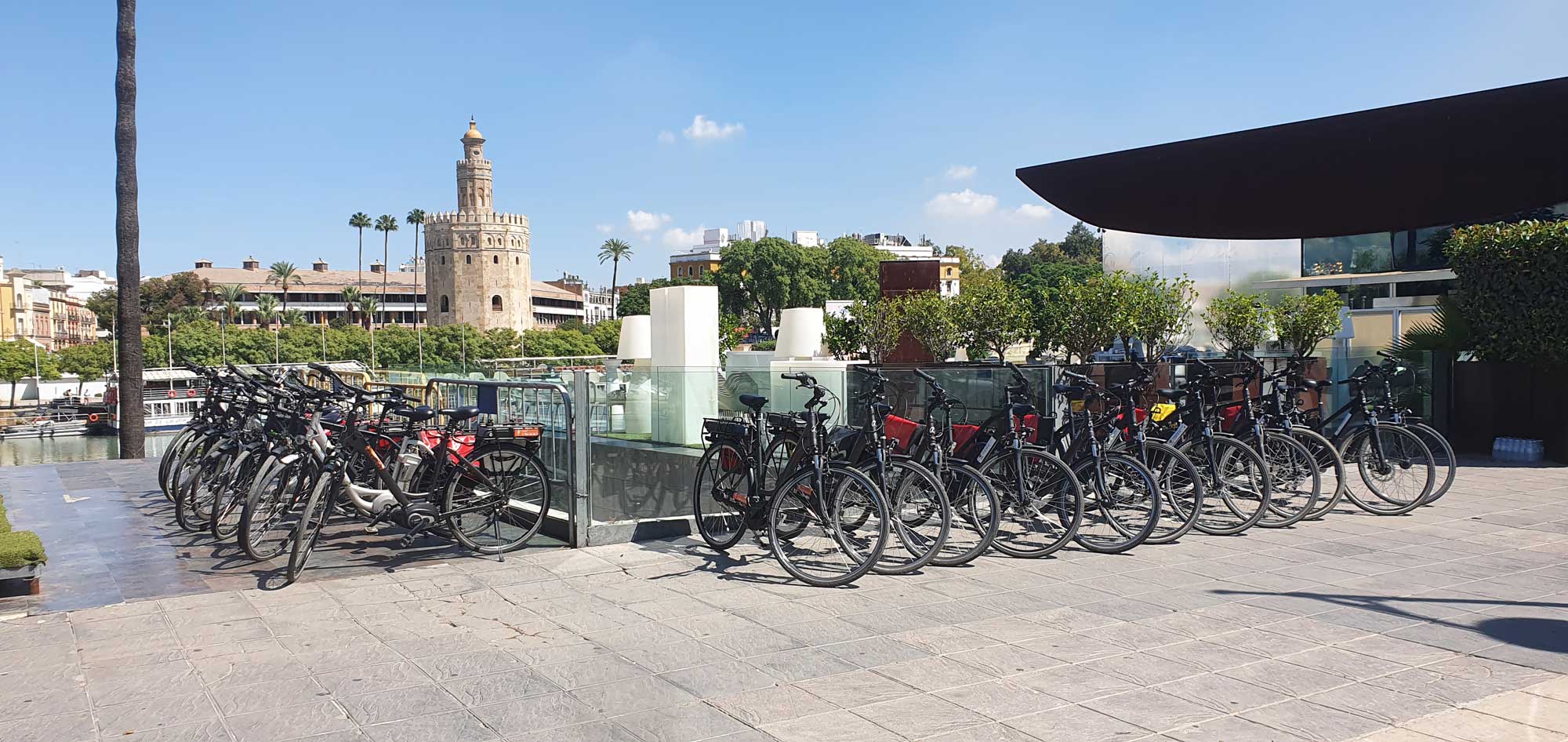
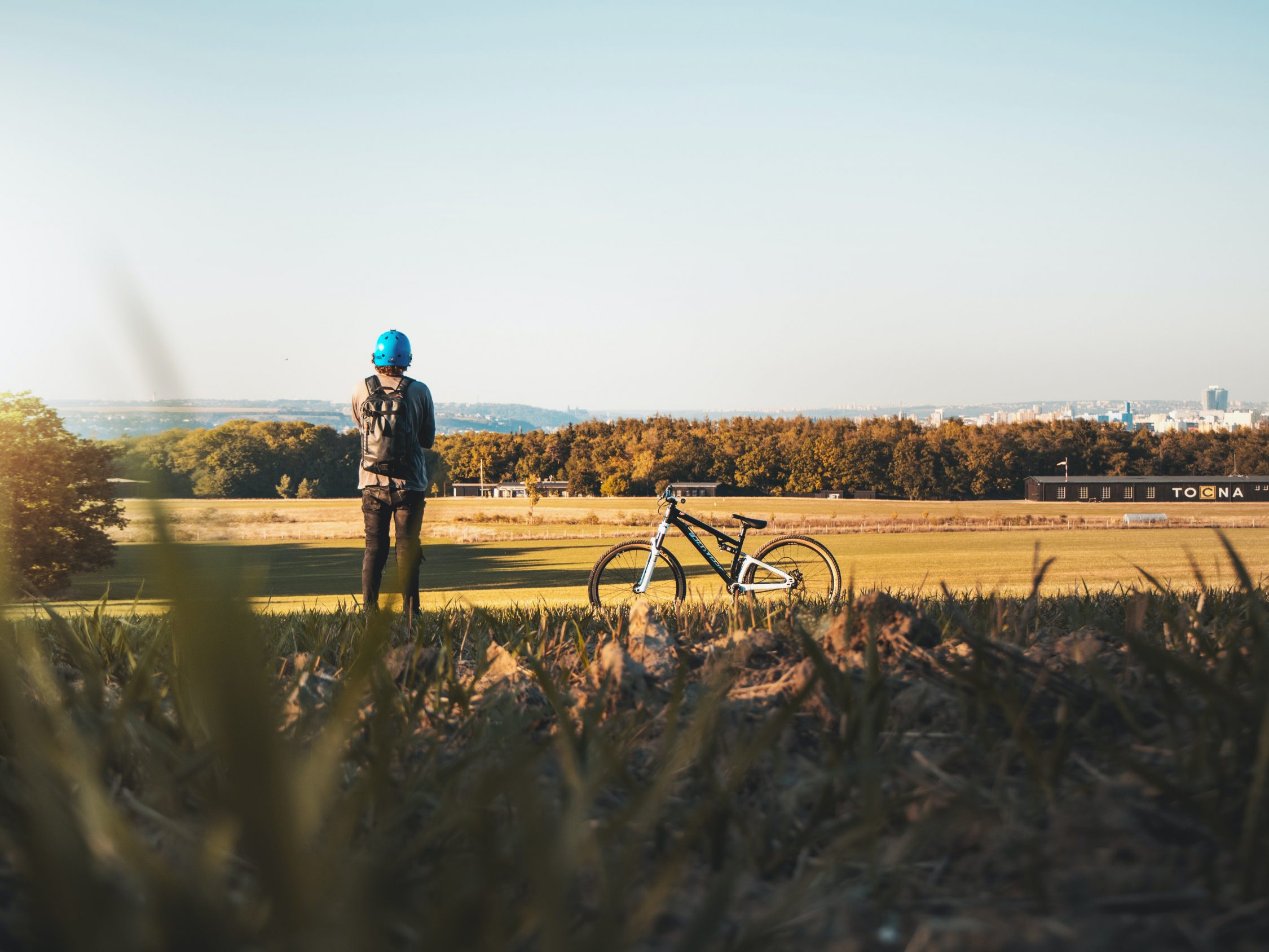
The route between Seville and Carmona is approximately 48 kilometers long and crosses the Sevillian countryside, one of the most important agricultural areas in Andalusia. The landscape is dominated by wide fields of crops, mainly wheat, sunflowers, and olive trees, with gentle hills and rural roads that offer open and peaceful views.
Along the way, it is common to encounter traditional farmhouses, old estates, and livestock paths, reflecting the region’s agricultural past. In spring, the fields are full of wildflowers, while in summer golden tones dominate the scenery.
Carmona is a city with more than 5,000 years of history. It was an important Roman settlement, known as Carmo, and later gained prominence during the Muslim and Christian periods. Notable landmarks include the Puerta de Sevilla, the Alcázar of King Don Pedro, and its walled historic center.
The city is situated on a plateau overlooking the Vega del Corbones, giving it a strategic position and excellent views of the surroundings. It is part of the Los Alcores region.
Regarding flora and fauna, the area is characterized by Mediterranean vegetation adapted to the dry climate: olive trees, holm oaks, broom bushes, and low scrub. Among the wildlife, it is common to see birds such as kestrels, partridges, swallows, and kites, as well as small mammals like rabbits and foxes.
Overall, the Seville–Carmona route combines nature, rural landscapes, and history, making it ideal for hiking, cycling, or cultural tourism.
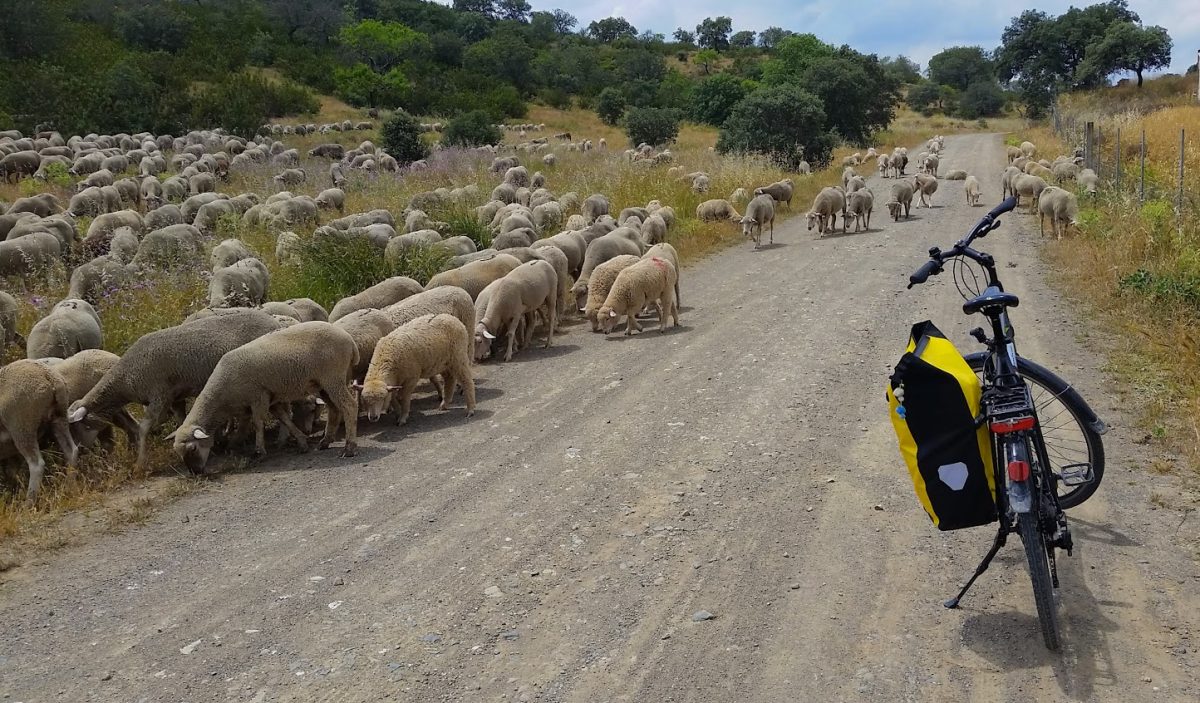
The route between Carmona and Écija is approximately 45 kilometers long, passing through the heart of the Sevillian countryside, one of Andalusia’s most fertile agricultural areas. The landscape is dominated by cereal fields, olive groves, and sunflower crops, with mostly flat terrain and gentle undulations, making it ideal for cycling or driving.
Along the way, traditional farmhouses and old rural estates reflect the agricultural heritage of the region. In spring, the landscape is green and full of flowers, while in summer it turns golden and dry.
Écija, known as “the frying pan of Andalusia” for its high summer temperatures, has been an important agricultural and commercial center since Roman times. From there, the route leads into progressively more fertile lands, following parts of the Genil River valley.
Écija features a rich historical heritage, including Baroque churches, palaces, and towers, earning it the nickname “the city of towers.” Notable landmarks include the Church of Santa María, San Juan Bautista, and the Palacio de Peñaflor.
The flora includes olive groves, cereal crops, and riverine vegetation. Wildlife includes birds such as herons, storks, bustards, and hawks, as well as small mammals like hares and hedgehogs.
The Carmona–Écija route offers a peaceful journey through rural Andalusia, combining open landscapes, historical towns, and agricultural tradition.

The route between Écija and Puente Genil is approximately 40 kilometers long, crossing the Sevillian and Cordoban countryside. It connects two historic towns through wide, open farmland with gentle hills, olive groves, and cereal fields.
Along the way, traditional farmhouses, rural estates, and quiet country roads reflect the agricultural character of the area. In spring, the landscape is green and floral, while in summer golden tones dominate.
Puente Genil lies on the banks of the Genil River and has historical roots dating back to Roman times. It later became an important agricultural and industrial center, known for olive oil, wine, and traditional sweets.
The surrounding flora consists of olive trees, cereal crops, and Mediterranean scrub, while wildlife includes birds of prey, storks, partridges, and small mammals such as hares and foxes. Near the river, one can also spot aquatic birds.
Overall, the Écija–Puente Genil route offers a tranquil journey through rural Andalusia, combining natural landscapes, agricultural heritage, and historic towns.
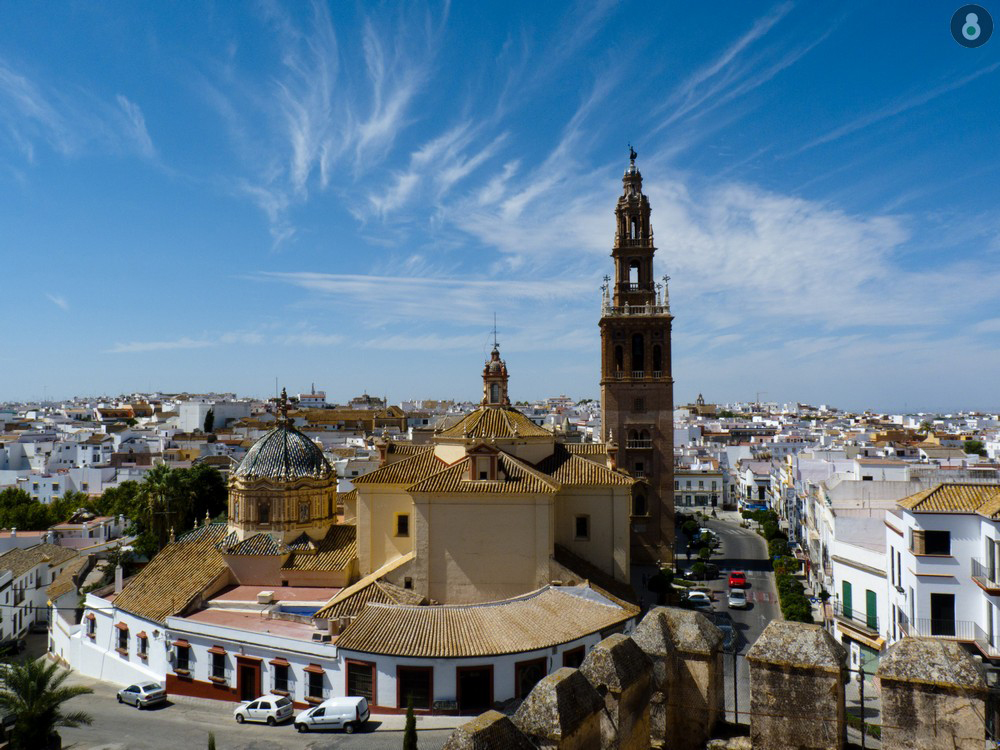
The route between Puente Genil and Doña Mencía is approximately 42 kilometers and passes through southern Córdoba province, in a natural environment of rolling hills, olive groves, and characteristic Subbética mountain formations.
A highlight of this route is the famous Vía Verde del Aceite, a former railway line converted into a safe, scenic path for cyclists and walkers. It features smooth tracks, tunnels, viaducts, and restored stations that serve as rest areas.
The landscape is dominated by olive groves, part of one of the world’s largest olive oil-producing regions, interspersed with Mediterranean woodland and rocky outcrops. From Puente Genil, the route gradually ascends toward Doña Mencía, marking the transition from lowland plains to mountainous terrain.
Doña Mencía lies on the edge of the Sierras Subbéticas Natural Park, a protected area of ecological importance. The town has medieval origins and a strong historical connection to olive cultivation.
Vegetation includes olive trees, holm oaks, and low Mediterranean scrub, while wildlife features birds of prey, foxes, wild boar, and a variety of wildflowers in spring.
The Puente Genil–Doña Mencía route combines natural beauty, olive-oil heritage, and outdoor recreation, making it a signature path along one of Andalusia’s most iconic greenways.

The route between Doña Mencía and Martos is approximately 65 kilometers, crossing the provinces of Córdoba and Jaén through landscapes of olive groves, rolling hills, and the Subbética and Sierra Sur mountain ranges.
It continues along the Vía Verde del Aceite, offering a safe, traffic-free path with gentle gradients, smooth tracks, tunnels, viaducts, and old stations adapted as rest stops. The route passes through endless olive groves, small valleys, and rugged hills, providing panoramic views of Andalusia’s olive-growing heartland.
Martos, known as the “Cradle of the Olive Tree,” has roots dating back to Iberian and Roman times and features a prominent rocky hill offering spectacular views of the surrounding countryside.
Vegetation includes olive groves, holm oaks, and Mediterranean scrub. Wildlife includes birds of prey, foxes, wild boars, and hares. Spring brings a profusion of wildflowers along the way.
The Doña Mencía–Martos route is a remarkable journey through olive oil country, combining nature, history, and cultural heritage.
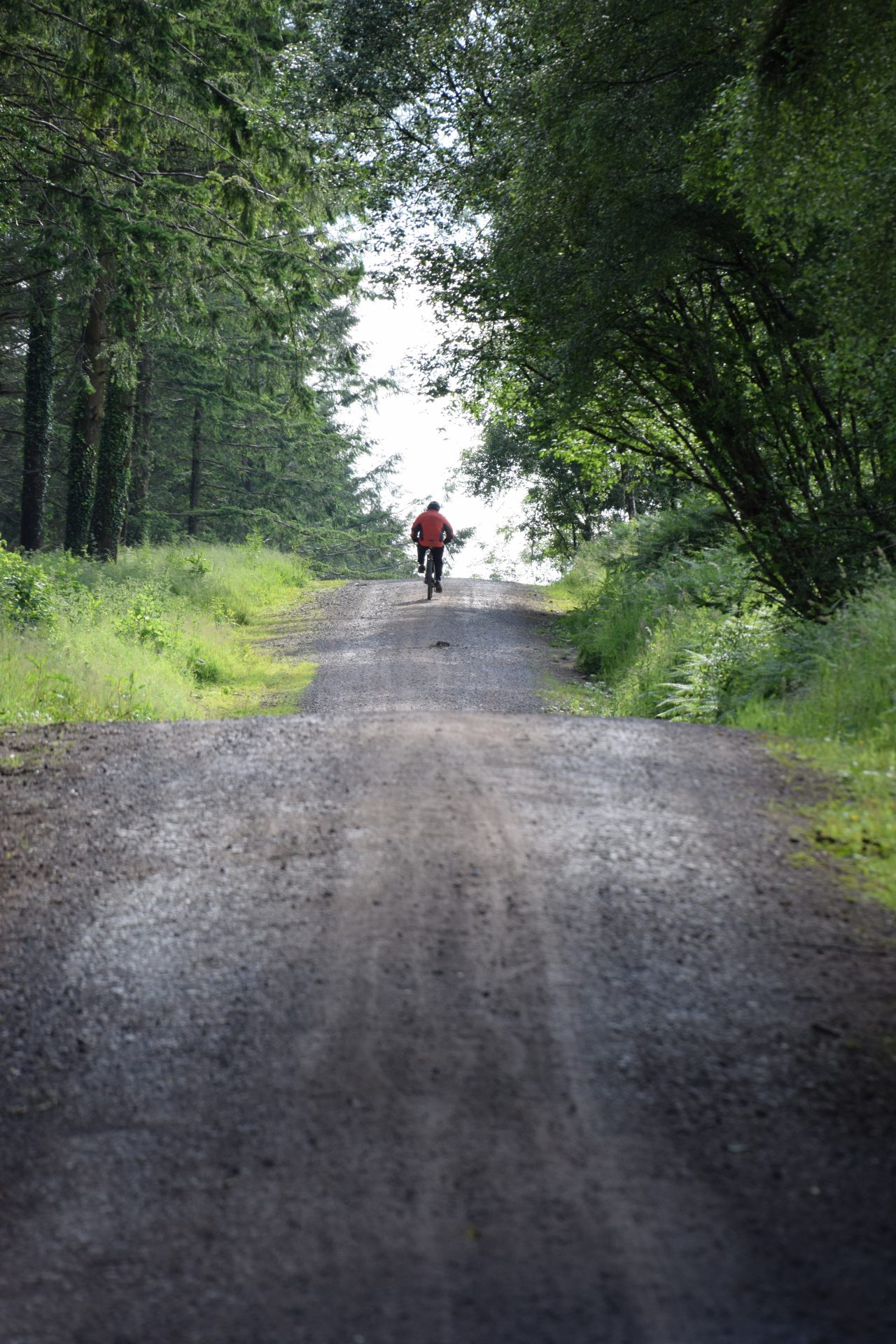
La ruta entre Martos y Montefrío tiene una distancia aproximada de 40 kilómetros y conecta las provincias de Jaén y Granada, atravesando un entorno natural de gran belleza caracterizado por paisajes montañosos, olivares y formaciones rocosas propias de las Sierras Subbéticas y del Poniente Granadino.
Desde Martos, conocida como la “Cuna del Olivar”, el recorrido avanza entre extensos campos de olivos y suaves colinas, con vistas continuas a la campiña jiennense. Poco a poco, el paisaje va cambiando, dando paso a zonas más abruptas, con sierras, barrancos y valles estrechos que anuncian la entrada en tierras granadinas.
A lo largo del camino se atraviesan pequeños núcleos rurales, cortijos y antiguos caminos tradicionales que han servido durante siglos como vías de comunicación entre ambas provincias. Este tramo conserva un marcado carácter rural y tranquilo, ideal para disfrutar del entorno natural.
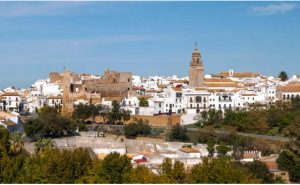
Montefrío es uno de los pueblos más emblemáticos de Granada, reconocido internacionalmente por su espectacular ubicación sobre un promontorio rocoso. Su casco histórico está coronado por la iglesia de la Villa y los restos de la antigua fortaleza árabe, ofreciendo una de las vistas más impresionantes de Andalucía.
La historia de Montefrío se remonta a época íbera y musulmana, cuando fue una importante plaza defensiva en la frontera del Reino Nazarí de Granada. Tras la conquista cristiana, mantuvo su relevancia estratégica y cultural.
La flora de la zona combina olivares con encinas, quejigos, matorral mediterráneo y plantas aromáticas como romero y tomillo. En cuanto a la fauna, es frecuente encontrar aves rapaces como buitres leonados, águilas y halcones, además de zorros, jabalíes y pequeños mamíferos.
En conjunto, la ruta Martos–Montefrío ofrece una transición entre el paisaje olivarero de Jaén y las montañas granadinas, combinando naturaleza, historia y vistas espectaculares, ideal para quienes desean conocer el interior más auténtico de Andalucía.
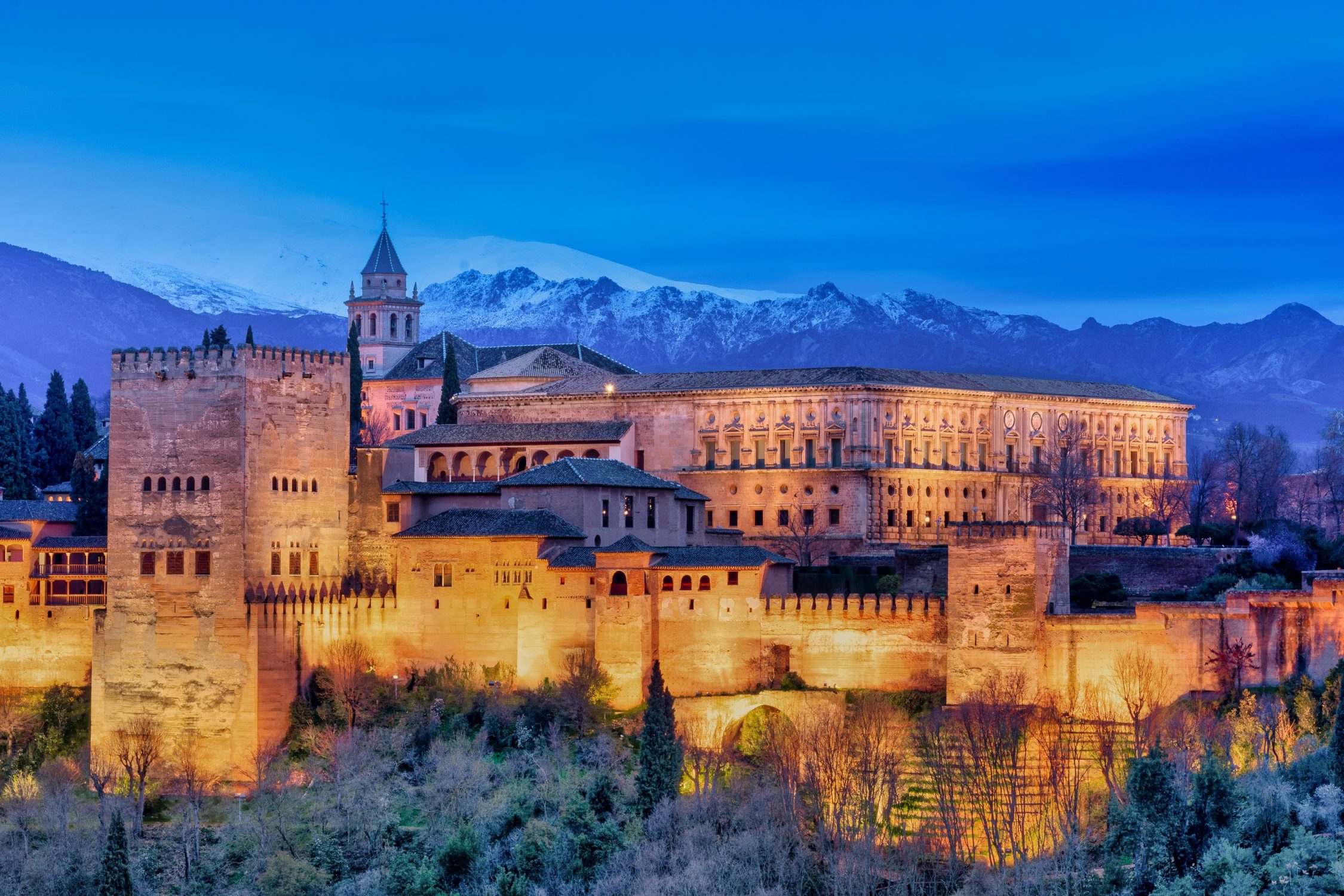
La ruta entre Montefrío y Granada tiene una distancia aproximada de 52 kilómetros y atraviesa el corazón de la provincia granadina, conectando el entorno rural del Poniente Granadino con la Vega de Granada y la capital nazarí. El recorrido discurre por un paisaje variado, donde se combinan sierras, valles, cultivos tradicionales y amplias zonas agrícolas.
Desde Montefrío, situado en un enclave montañoso, el camino desciende progresivamente entre colinas, olivares y campos de cereal, ofreciendo vistas panorámicas del entorno. A medida que se avanza, el relieve se suaviza y aparecen las fértiles tierras de la Vega, regadas por numerosos ríos y acequias de origen andalusí.
A lo largo del trayecto se atraviesan pequeños pueblos y zonas rurales que conservan la arquitectura y las tradiciones propias del interior de Granada. Estos núcleos han estado históricamente vinculados a la agricultura y al comercio local.
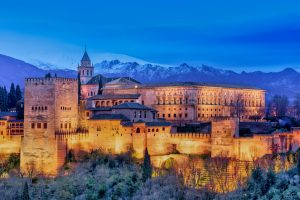
Granada es una ciudad de enorme relevancia histórica y cultural. Fue capital del Reino Nazarí hasta 1492 y conserva uno de los conjuntos monumentales más importantes de Europa, encabezado por la Alhambra, el Generalife y el barrio del Albaicín, declarados Patrimonio de la Humanidad.
Además de su herencia islámica, Granada destaca por su legado renacentista y cristiano, visible en la Catedral, la Capilla Real y numerosos palacios y conventos. Su ubicación, a los pies de Sierra Nevada, le confiere un entorno natural privilegiado.
La flora de la zona combina olivares, huertas, choperas y vegetación de ribera, junto con matorral mediterráneo en las áreas más elevadas. En cuanto a la fauna, es frecuente observar aves como milanos, garzas, abubillas y rapaces, además de pequeños mamíferos y especies ligadas a los cursos de agua.
En conjunto, la ruta Montefrío–Granada representa el paso del paisaje rural y montañoso al entorno urbano y monumental, ofreciendo una experiencia que une naturaleza, tradición agrícola y uno de los destinos culturales más importantes de Andalucía.
Add Desc
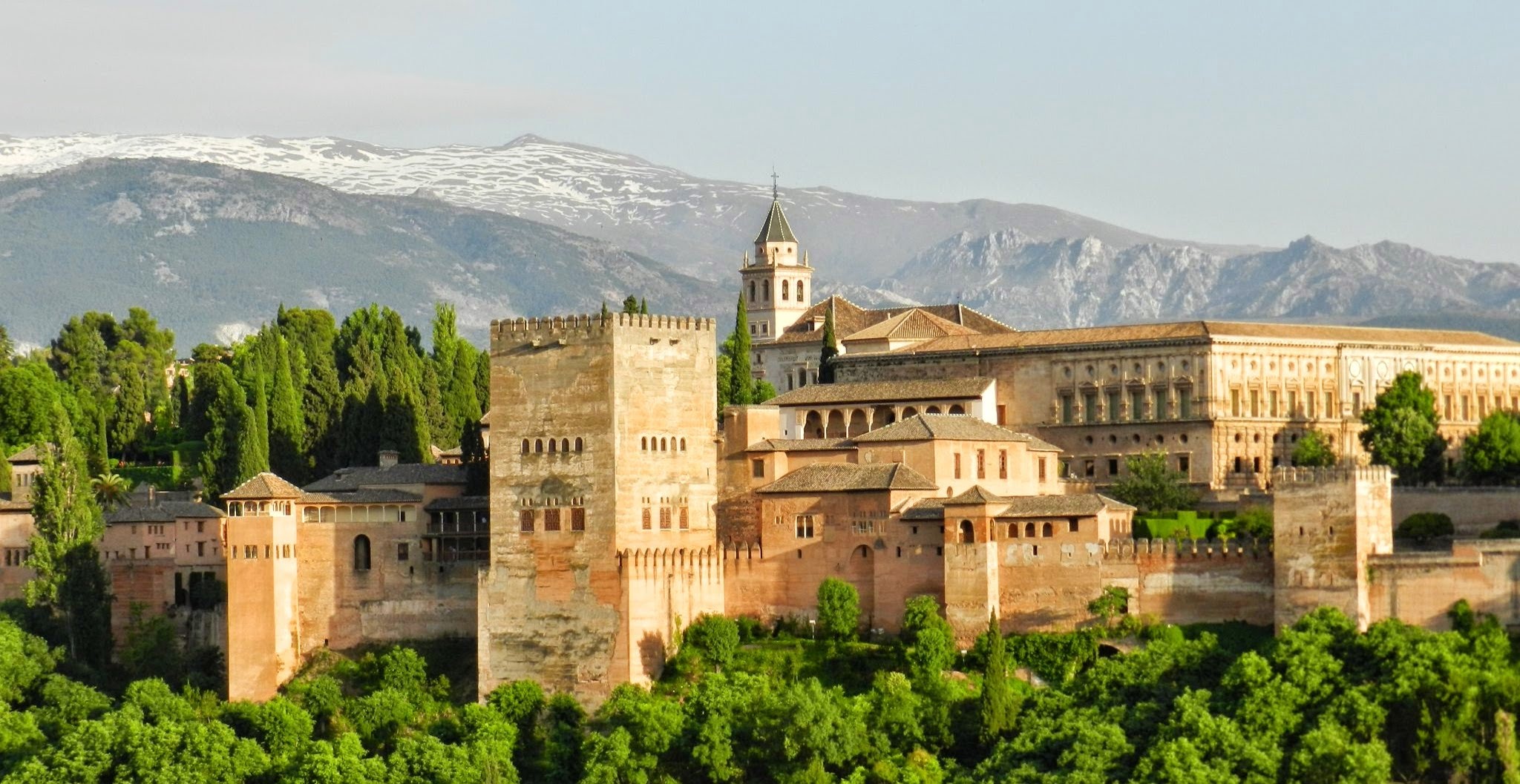
Granada is one of the most iconic cities in Andalusia, famous for its history, architecture, and vibrant cultural life. Located at the foot of Sierra Nevada, it combines mountainous landscapes with a rich urban and monumental heritage.
What to visit:
The Alhambra and Generalife, a UNESCO World Heritage site and the ultimate example of Islamic architecture.
The Albaicín, an old Arab quarter with narrow cobbled streets and viewpoints offering spectacular views of the Alhambra.
Granada Cathedral and the Royal Chapel, symbols of Christian power after the Reconquista.
Sacromonte, known for its cave houses and flamenco traditions.
Food and atmosphere:
Granada offers a varied and authentic gastronomy. The city is famous for free tapas served with drinks, as well as traditional dishes like remojón granadino, Sacromonte-style omelets, and piononos from Santa Fe. The city has a lively atmosphere, with cafés, tapas bars, and terraces in historic squares.
Monuments and culture:
Beyond the Alhambra, Granada features numerous palaces, convents, churches, and historic gardens. The city is a crossroads of cultures, with Muslim, Jewish, and Christian influences visible in its architecture, music, and festivals.
In short, Granada combines history, culture, nature, and gastronomy, offering a complete experience for every type of traveler.
ription Here

Technical Specifications
WINORA DOMINGO 27
Aluminum frame
Shimano 27-speed drivetrain
Hub dynamo lighting system
Aluminum rear rack, maximum load 25 kg
Front suspension
28” wheels
Sizes: S, M, L, XL

The Back-Roller Core offers an entry into the world of rear bike bags without compromising on performance.